Quick answer
Fear of a specific skill is common and usually temporary. The best thing a parent can do is stay calm, avoid pressuring or minimizing the fear, and let the coach lead the technical process of working through it at the gym.
01
Why fear shows up, sometimes suddenly
It is extremely common for a gymnast to suddenly balk at a skill they could do confidently the week before, especially after a fall, a growth spurt that changes body awareness, or simply becoming more aware of risk as they get older. This is not a character flaw or a sign your child is not tough enough. It is a normal part of the sport, and most gymnasts and coaches encounter it at some point.
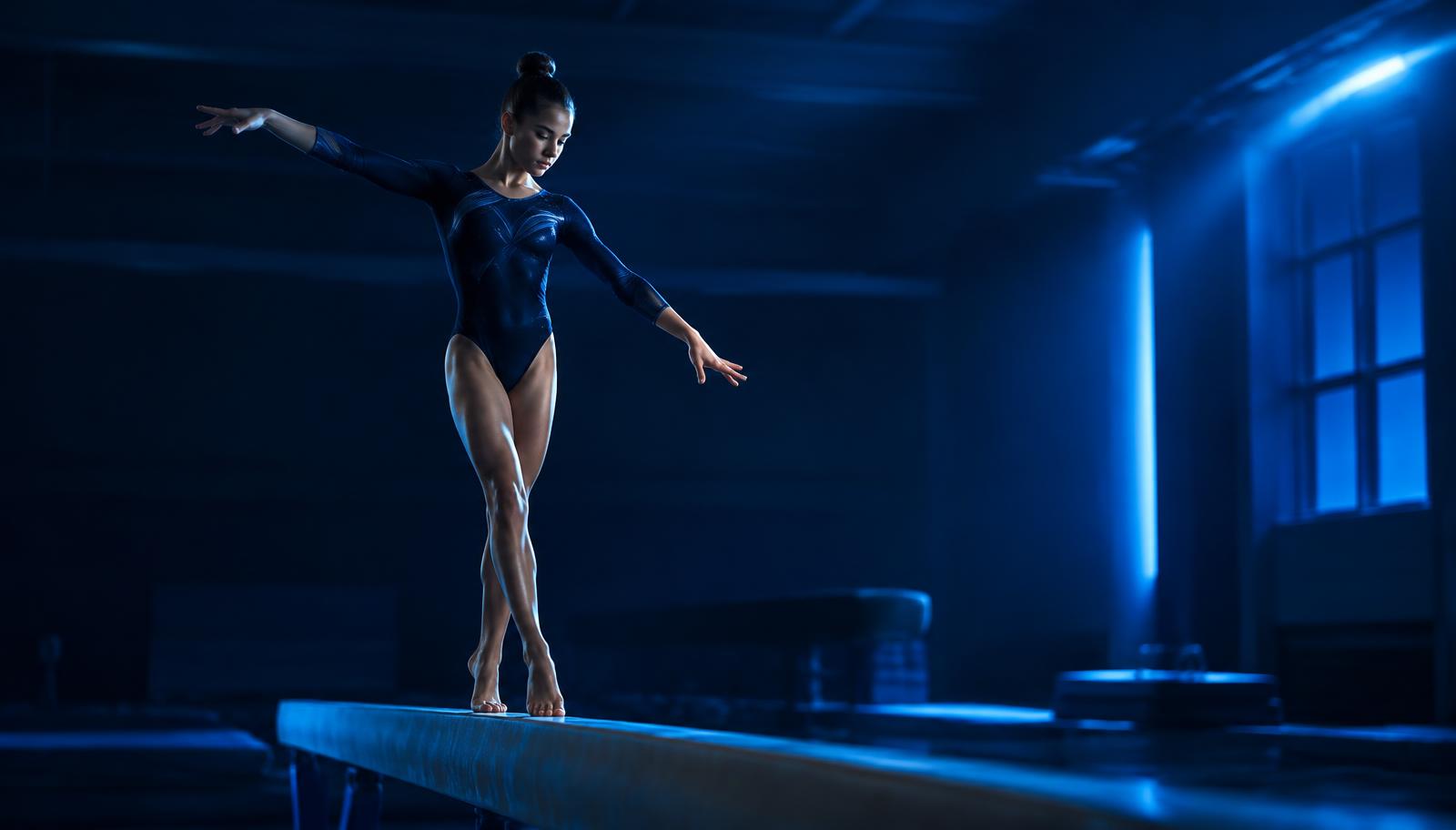
The fear is often specific: a back handspring on beam, a release move on bars, a new vault. It rarely means the gymnast has lost skill or ability overall, even though it can feel that way to a frustrated child.
02
What to say, and what not to say
Avoid minimizing ('it's not that scary,' 'you've done it a hundred times') since that tells a scared child their feelings are wrong. Avoid pushing ('just do it,' 'don't be a baby') since pressure almost always makes fear worse, not better.
Try instead: 'That sounds really frustrating. Fear like that is normal, even for gymnasts who've been doing this a long time. What does your coach think would help?' This validates the feeling and hands the technical solution to the coach, where it belongs.
Resist the urge to problem-solve the skill yourself unless you are a trained coach. Well-meaning parent advice about body position or timing can conflict with what the coach is teaching and add confusion.
03
Let the coach lead the process
Good coaches have real strategies for working through skill fear: breaking a skill into smaller pieces, using extra spotting, building on softer surfaces, or simply giving it time. Ask the coach directly what their plan is and how you can support it at home, rather than pushing your child to attempt the skill sooner than the coach thinks is ready.
It is fair to ask the coach for a general timeline or approach, but avoid putting pressure on the coach to rush the process. Fear that is pushed through too fast often comes back stronger later.
04
When to step back and when to step in
Step back from asking about the specific skill at home. Repeated questions like 'did you try it today?' add pressure even when meant supportively. Let the gym be where the skill work happens and home be where it is not a daily topic.
Step in if fear is affecting your child broadly, like dreading the gym entirely, physical symptoms like stomachaches before practice, or talk of quitting the sport they otherwise love. That is worth a direct conversation with the coach about adjusting the approach, and possibly a conversation with your child about whether a short break would help.
05
Rewarding the courage to try, not the result
This is a place where rewarding controllable effort really matters. A gymnast who attempts a scary skill with a spot, even if they do not land it, has done something genuinely hard and worth recognizing. Tying recognition to the attempt itself, not the outcome, helps a fearful gymnast keep showing up and trying rather than avoiding the skill altogether.
Try this week
- 1Ask the coach directly about their plan for working through the specific fear
- 2Practice a validating phrase you can use instead of minimizing or pushing
- 3Stop asking about the specific skill at home for a week and see if pressure decreases
- 4Watch for physical or emotional signs the fear is bigger than one skill
Sample weekly point plan
Points for the work your child controls. Wins, stats and roster spots are what that work creates.
Up to 25 pts a week
| Work | When | Points |
|---|---|---|
| Attempt a challenging skill with a spot, regardless of outcomeAs it comes up in practice | As it comes up in practice | 10 pts |
| Communicate honestly with the coach about fear or hesitationAs needed | As needed | 5 pts |
| Attend practice consistently even during a fear periodPer practice | Per practice | 5 pts |
| Use a calming or focus routine before attempting the skillAs applicable | As applicable | 5 pts |
Parent questions
Is it normal for gymnasts to suddenly become afraid of a skill they already had?
Yes, this is very common and usually not permanent. Growth, a fall, or increased risk awareness can all trigger it temporarily.
Should I push my child to keep trying a skill they are scared of?
Let the coach lead the technical approach. Parental pressure at home tends to increase fear rather than resolve it.
When should we consider taking a break from a skill entirely?
If fear is causing significant distress, physical symptoms, or talk of quitting the sport, a short break combined with a coach conversation is reasonable.
Work Creates the Reward
Turn this plan into a habit your child owns.
Your child logs the reps, prep and recovery they finish. You approve it in seconds. Points build toward rewards your family chooses. See how it works or compare membership plans.
Start Your 14-Day Trial